
Every small business owner in the United States knows how quickly a website can become the heart of daily operations. Facing threats from ransomware, phishing, and social engineering puts sensitive customer data and reputation at risk even for local service providers. Believing your company is too small to attract hackers is a dangerous misconception. This guide uncovers common cybersecurity myths and provides actionable strategies to strengthen website security without overspending, helping American businesses protect their digital assets with confidence.
Table of Contents
- Defining Website Security And Common Myths
- Major Online Threats Facing Small Businesses
- Essential Protection Tools And Best Practices
- Choosing Affordable Security Solutions
- Legal Compliance And Privacy Obligations
- Avoiding Common Security Mistakes
Key Takeaways
| Point | Details |
|---|---|
| Website Security is Essential for All Businesses | Small businesses are often targeted by cybercriminals, making cybersecurity a critical priority regardless of size. |
| Multiple Layers of Defense Are Necessary | Effective website security involves various strategies, including authentication, encryption, and regular updates. |
| Employee Training is Crucial | Continuous employee education and cybersecurity training help foster a culture of awareness and reduce vulnerabilities. |
| Affordable Solutions Exist | Small businesses can implement cost-effective security measures, such as open-source tools and government resources, without breaking the budget. |
Defining Website Security and Common Myths
Website security represents a comprehensive approach to protecting digital assets, networks, and systems from malicious attacks and unauthorized access. Small businesses often misunderstand cybersecurity, believing they are too small to be targeted. However, web security focuses on preventing unauthorized breaches that could compromise sensitive customer and business data.
Cybercriminals do not discriminate based on business size. In fact, small businesses are frequently more vulnerable because they typically lack robust security infrastructure. Common misconceptions about website security can leave organizations exposed to significant risks:
- Believing small businesses are not attractive targets for hackers
- Assuming complex security measures are too expensive
- Thinking password protection alone is sufficient
- Overlooking regular software and system updates
Cybersecurity myths can create dangerous false assumptions. Many small business owners mistakenly believe their data isn’t valuable enough to attract cybercriminals. Cybersecurity practices are essential for everyone, regardless of business size or industry.
Understanding website security involves recognizing that protection goes beyond simple password management. It encompasses multiple layers of defense, including:
- Implementing robust authentication protocols
- Regularly updating software and plugins
- Using encryption for sensitive data
- Monitoring network traffic
- Creating comprehensive backup strategies
Website security is not just a technical requirement but a critical business strategy. Breaches can result in financial losses, damaged reputation, and potential legal consequences. Small businesses must adopt a proactive approach to digital protection.
Pro tip: Invest in regular security audits and employee training to create a comprehensive cybersecurity culture within your organization.
Major Online Threats Facing Small Businesses
Small businesses are increasingly vulnerable to sophisticated cyber threats that can devastate their operations. Cybercriminals actively target small businesses due to their typically weaker security infrastructure, viewing them as easy entry points into larger networks. These organizations often lack the robust defense mechanisms of enterprise-level companies, making them prime targets for malicious attacks.
The most prevalent online threats confronting small businesses include:
- Phishing attacks: Deceptive emails designed to steal credentials
- Ransomware: Malicious software that locks critical business data
- Social engineering: Psychological manipulation to breach security systems
- Endpoint vulnerabilities: Weaknesses in network-connected devices
- Cloud infrastructure attacks: Exploiting misconfigured cloud services
Cybersecurity experts recognize that small businesses face unique challenges in defending against these threats. Top cybersecurity risks require multi-layered defense strategies, involving technological solutions, employee training, and continuous monitoring.
Understanding the potential impact is crucial. A single cyberattack can result in significant financial losses, reputational damage, and potential legal consequences. Cybercriminals often use sophisticated techniques that exploit even minor vulnerabilities, making comprehensive security strategies essential for survival.
The landscape of cyber threats continues to evolve rapidly, requiring small businesses to remain vigilant and proactive. Implementing robust security measures is no longer optional but a critical business necessity. Regular training, updated security protocols, and advanced technological defenses are key to protecting digital assets.
Pro tip: Conduct quarterly cybersecurity assessments and invest in employee security awareness training to build a resilient defense against emerging online threats.
Essential Protection Tools and Best Practices
Protecting small business websites requires a comprehensive approach that combines technological tools and strategic practices. Cybersecurity best practices are critical for maintaining digital defense, enabling organizations to safeguard their digital assets against increasingly sophisticated threats.
Key protection tools and strategies for small businesses include:
- Firewall protection: Block unauthorized network access
- Multi-factor authentication: Add extra login security layers
- Encryption software: Protect sensitive data transmission
- Regular security updates: Patch potential vulnerabilities
- Intrusion detection systems: Monitor network for suspicious activities
Web application security demands proactive implementation of robust defensive mechanisms. Comprehensive threat mitigation strategies involve integrating security protocols throughout the development and operational processes.

Small businesses must prioritize continuous monitoring and employee education to create a resilient cybersecurity environment. This includes developing clear security policies, conducting regular training sessions, and implementing strict access control measures. Understanding that cybersecurity is an ongoing process rather than a one-time setup is crucial for long-term digital protection.
Technological solutions alone are insufficient. A holistic approach combining advanced tools, employee awareness, and adaptive strategies provides the most effective defense against evolving cyber threats. Small businesses must remain flexible and committed to updating their security practices as new challenges emerge.
Pro tip: Create a comprehensive incident response plan that outlines specific steps for addressing potential security breaches before they occur.
Choosing Affordable Security Solutions
Small businesses with limited budgets can still implement robust cybersecurity strategies by leveraging cost-effective security resources designed specifically for organizations with financial constraints. Understanding that protection doesn’t always require significant monetary investment is crucial for maintaining digital safety.
Affordable security solutions for small businesses include:
- Open-source security tools: Free alternatives to expensive software
- Government cybersecurity resources: No-cost assessment and guidance programs
- Cloud-based security platforms: Scalable protection with flexible pricing
- Community cybersecurity networks: Shared knowledge and collaborative defense strategies
- Freemium security applications: Basic protection with optional paid upgrades
Budget-conscious cybersecurity requires strategic prioritization. Small businesses can effectively manage security risks by focusing on fundamental controls and gradually expanding their defensive capabilities as resources allow.
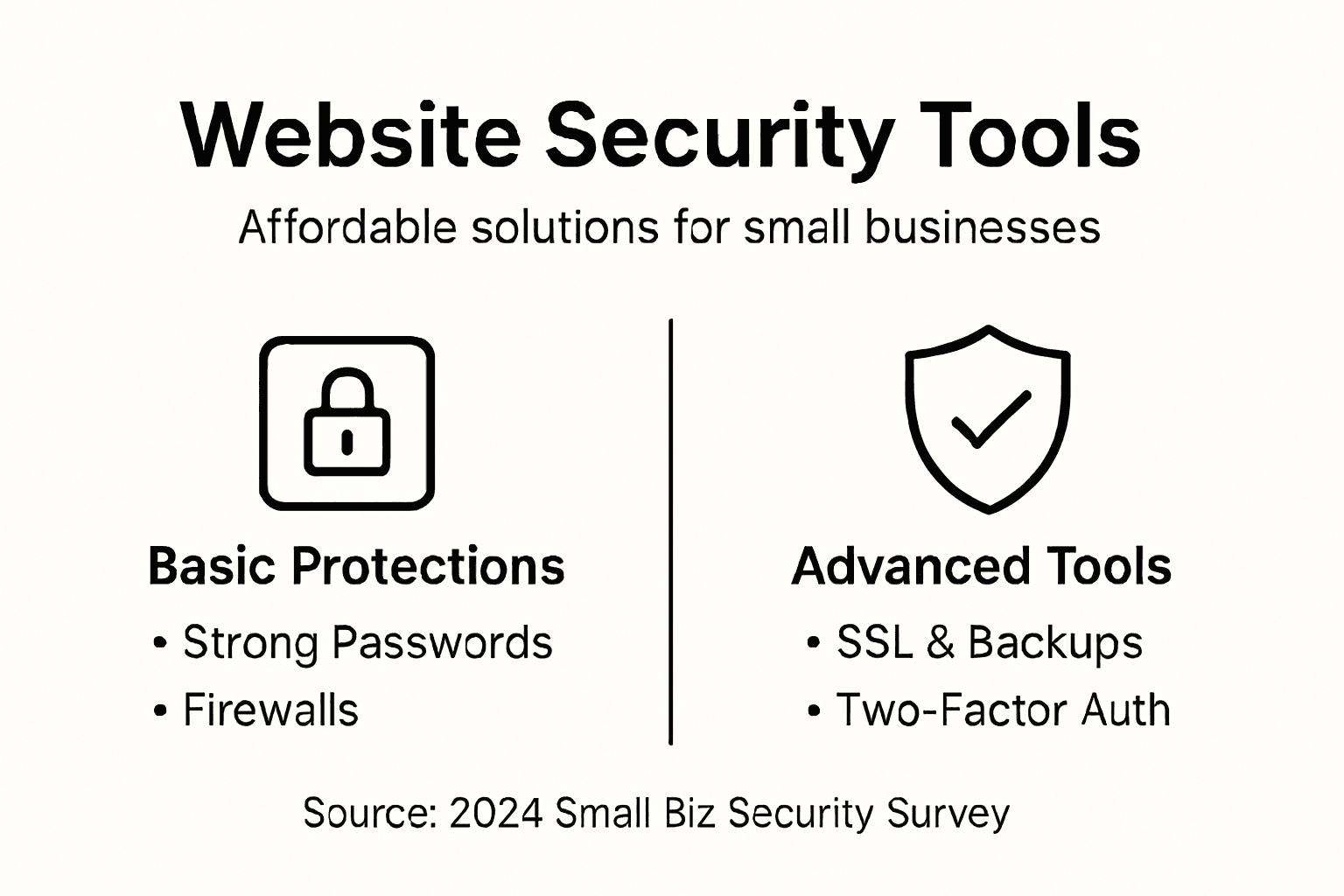
Effective protection involves more than just purchasing tools. Small businesses should develop a comprehensive approach that combines affordable technological solutions with employee education and proactive risk management. This means implementing basic security practices like strong password policies, regular software updates, and continuous learning about emerging cyber threats.
The key is to start small and build incrementally. By focusing on high-impact, low-cost security measures, small businesses can significantly reduce their vulnerability without breaking the bank. Understanding that cybersecurity is an ongoing process helps organizations make smart, sustainable investments in their digital defense.
Here is a comparison of affordable cybersecurity solutions and their benefits for small businesses:
| Solution Type | Ease of Implementation | Typical Cost | Unique Advantage |
|---|---|---|---|
| Open-source tools | Simple setup | Free | Community-supported innovation |
| Government resources | Guided enrollment | No-cost | Trusted assessments |
| Cloud security | Scalable deployment | Low monthly fee | Automatic updates |
| Community networks | Peer collaboration | Free/Minimal | Access to shared expertise |
| Freemium applications | Quick to start | Free/basic; paid upgrade | Try before you buy |
Pro tip: Conduct a free cybersecurity self-assessment annually and gradually implement security improvements based on identified vulnerabilities.
Legal Compliance and Privacy Obligations
Small businesses must navigate complex legal landscapes when protecting customer data and maintaining digital privacy. FTC guidelines provide critical compliance requirements that help organizations safeguard sensitive information and avoid potential legal risks.
Key legal compliance and privacy obligations include:
- Customer data protection: Secure personally identifiable information
- Transparent privacy policies: Clear communication of data handling practices
- Consent management: Obtaining explicit user permissions
- Data breach notification: Reporting requirements for security incidents
- Employee data handling training: Comprehensive cybersecurity education
Privacy policy development requires careful consideration of multiple regulatory factors. Businesses must create comprehensive privacy documentation that accurately represents their data collection, usage, and protection strategies.
Effective legal compliance goes beyond simply drafting documents. Small businesses must actively implement robust processes that demonstrate commitment to protecting customer information. This involves regular policy reviews, staying updated on changing regulations, and maintaining detailed records of data management practices.
Understanding that privacy obligations are dynamic is crucial. Regulations continuously evolve, and businesses must remain adaptable, proactively updating their approaches to meet emerging legal standards and technological challenges.
Below is a reference table outlining core legal compliance factors and their direct business impacts:
| Compliance Factor | Legal Risk Reduction | Customer Trust Impact | Maintenance Effort |
|---|---|---|---|
| Data protection practices | Prevent penalties/fines | Increases loyalty | Moderate, ongoing |
| Transparent privacy policy | Lowers liability exposure | Builds credibility | Low, periodic review |
| Consent management | Meets regulatory standards | Empowers user choice | Moderate, per update |
| Breach notification | Ensures regulatory response | Maintains transparency | High during incidents |
| Employee training | Mitigates insider breaches | Reassures customers | Recurring, scheduled |
Pro tip: Consult with a legal professional specializing in digital privacy to ensure your business’s compliance strategy remains current and comprehensive.
Avoiding Common Security Mistakes
Small businesses frequently expose themselves to unnecessary cybersecurity risks by overlooking critical defensive strategies. Common security mistakes can devastate business operations and compromise sensitive organizational data.
The most prevalent security mistakes include:
- Weak password practices: Using simple, reusable passwords
- Inadequate employee training: Neglecting cybersecurity awareness
- Outdated software: Failing to install critical security updates
- Lack of multi-factor authentication: Relying on single-layer login protection
- Unmonitored third-party vendor access: Ignoring supply chain vulnerabilities
Web application vulnerabilities represent another significant risk area. Organizations often overlook critical security configurations that can create systemic weaknesses in their digital infrastructure.
Mitigating these risks requires a proactive and comprehensive approach. Small businesses must develop a culture of cybersecurity awareness, implementing continuous education programs and regular security assessments. This means moving beyond reactive strategies and adopting a forward-thinking mindset that anticipates potential threats.
Technology alone cannot solve security challenges. Human behavior and organizational practices play a crucial role in maintaining robust digital defenses. By fostering a security-conscious environment and investing in ongoing training, small businesses can significantly reduce their vulnerability to cyber attacks.
Pro tip: Conduct monthly cybersecurity training sessions and perform quarterly vulnerability assessments to stay ahead of emerging digital threats.
Strengthen Your Small Business Website Security with Expert Digital Marketing Support
Protecting your small business from the increasing cybersecurity threats requires not only technical know-how but also a strong and trustworthy online presence. This article highlights the challenges small businesses face such as phishing, ransomware, and weak password practices that can lead to serious financial and reputational damage. If you are aiming to create a secure, professional, and engaging website that reflects your commitment to protection and builds customer trust, partnering with the right digital marketing agency is crucial.

At ibrand.media, we understand that website security essentials go hand in hand with effective online promotion. Our tailored digital marketing strategies include mobile-friendly web design, transparent pricing, and continuous performance tracking designed to help small businesses like yours gain visibility without compromising safety. Explore our expert insights and services at Uncategorized | Ibrandmedia to learn how we integrate security best practices into your marketing plan. Take action today to protect your digital assets and boost your online success by visiting our main site at ibrand.media. Your secure and thriving business starts now.
Frequently Asked Questions
What are the essential elements of website security for small businesses?
Website security for small businesses should include implementing robust authentication protocols, regular software updates, encryption for sensitive data, continuous network monitoring, and comprehensive backup strategies.
Why are small businesses at higher risk for cyber attacks?
Small businesses often have weaker security infrastructures compared to larger enterprises, making them attractive targets for cybercriminals. They may lack adequate resources for robust cybersecurity measures, increasing their vulnerability.
How can I implement affordable cybersecurity solutions for my small business?
Small businesses can use open-source tools, take advantage of government cybersecurity resources, and explore cloud-based security platforms. Establishing community networks for shared knowledge and using freemium applications can also provide budget-friendly security measures.
What are common mistakes small businesses make regarding cybersecurity?
Common mistakes include using weak passwords, neglecting employee training on security awareness, failing to update software, relying solely on single-layer login protection, and not monitoring third-party vendor access. Addressing these issues is crucial for strengthening cybersecurity.
Recommended
- Why Website Security Matters for Small Businesses | Ibrandmedia
- Complete Guide to Cybersecurity Basics for Small Business | Ibrandmedia
- Why Website Updates Matter for Small Businesses | Ibrandmedia
- 8 Essential Website Optimization Tips for Small Businesses | Ibrandmedia
- Website Security Basics: Protecting Your Business Online – seo analytic
Recent Comments