
More than 90 percent of american businesses now track online data to improve their digital strategies. With customer journeys spread across websites, social platforms, and mobile apps, the need for clear, actionable analytics has never been greater. Understanding key metrics and using the right tools allows even small companies to make smarter decisions, improve website performance, and drive measurable growth.
Table of Contents
- Defining Online Analytics And Core Concepts
- Types Of Online Analytics Tools For Business
- How Online Analytics Platforms Work
- Key Metrics And Data Interpretations
- Using Analytics For Business Growth Strategies
- Common Pitfalls And How To Avoid Them
Key Takeaways
| Point | Details |
|---|---|
| Understanding Online Analytics | Online analytics involves collecting and interpreting digital data to optimize business performance, focusing on user interactions across various digital platforms. |
| Utilizing Analytics Tools | Small businesses can leverage tools like Google Analytics and Matomo to gain insights into user behavior and drive strategic decisions. |
| Key Metrics for Success | Critical metrics such as conversion rates and user engagement are essential for evaluating website effectiveness and informing marketing strategies. |
| Avoiding Common Pitfalls | Businesses should be cautious of relying on vanity metrics and ensure comprehensive data collection to avoid misinterpretation and fragmented insights. |
Defining Online Analytics and Core Concepts
Online analytics is the systematic process of collecting, measuring, and interpreting digital data to understand and optimize business performance. Web analytics provides crucial insights into how users interact with digital platforms, helping businesses make informed decisions. According to Wikipedia, web analytics involves tracking user behavior, traffic sources, and conversion rates to improve website performance and user experience.
Digital analytics goes beyond traditional website metrics, expanding to capture interactions across multiple digital channels. Wikipedia highlights that this approach includes data from mobile applications, social media platforms, and other digital touchpoints. The goal is to create a comprehensive understanding of customer engagement and journey.
Core components of online analytics typically include:
- Traffic Analysis: Understanding visitor volumes, sources, and browsing patterns
- User Behavior: Tracking how users navigate and interact with digital platforms
- Conversion Tracking: Measuring specific actions that generate business value
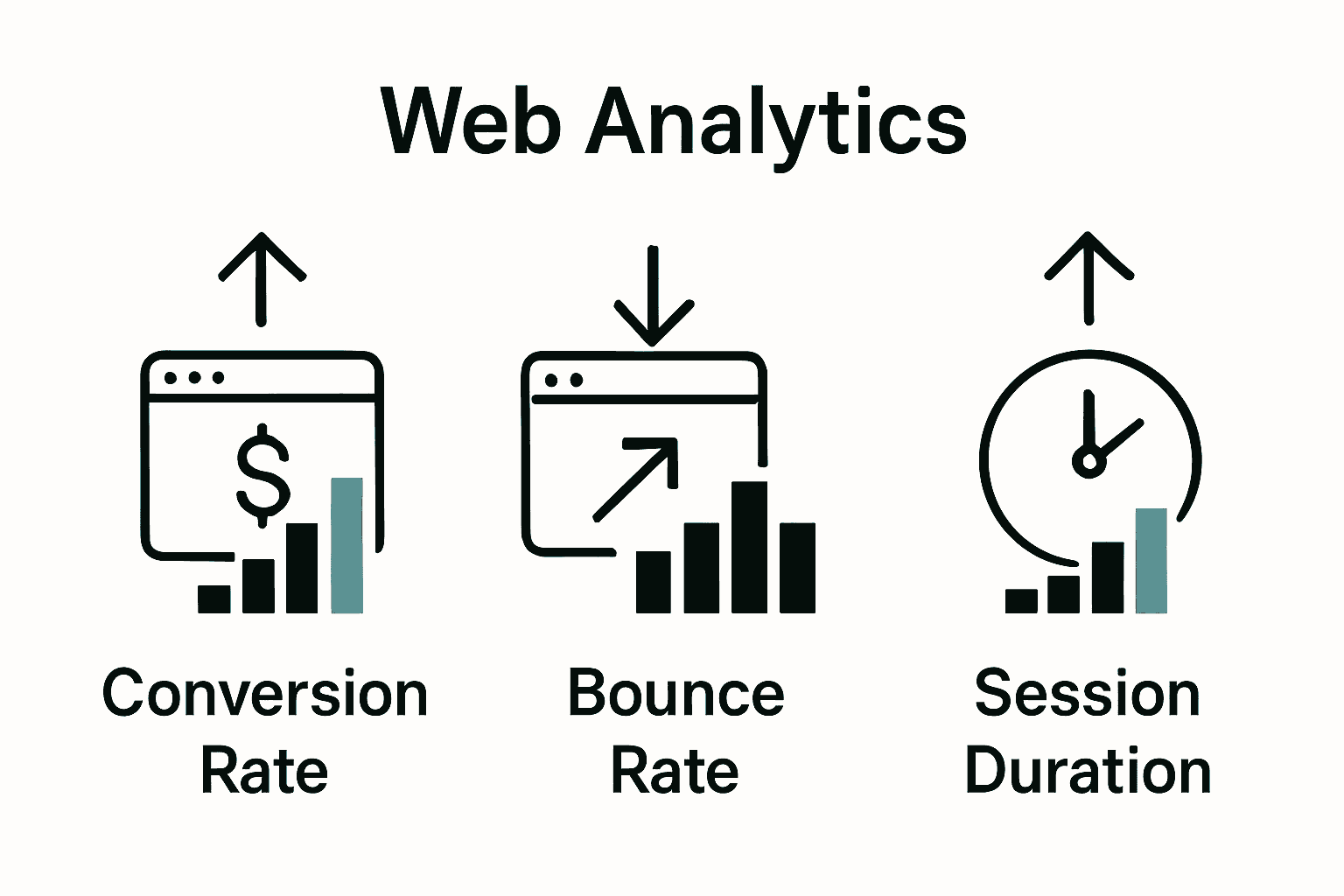
- Performance Metrics: Evaluating key performance indicators (KPIs) like bounce rates and session duration
By leveraging online analytics, small businesses can gain actionable insights to refine their digital strategies. Learn more about tracking marketing performance to see how data-driven decisions can transform your business growth.
Types of Online Analytics Tools for Business
Small businesses have access to a diverse range of online analytics tools that provide critical insights into digital performance. Wikipedia highlights Google Analytics as a widely used web analytics service that tracks website traffic, offering comprehensive insights into user behavior, traffic sources, and conversion rates. This platform remains a foundational tool for businesses seeking to understand their online presence.
Alternative analytics platforms offer specialized features for different business needs. Wikipedia) points to Matomo as an open-source web analytics platform that emphasizes data privacy and provides advanced features like A/B testing, custom reports, heatmaps, and session recordings. These tools enable businesses to dive deeper into user interactions and website performance.
Key categories of online analytics tools include:
- Web Traffic Analytics: Tracking visitor numbers, sources, and browsing patterns
- Conversion Tracking Tools: Measuring specific user actions and business goals
- User Behavior Platforms: Analyzing how users interact with websites and applications
- Social Media Analytics: Monitoring engagement across digital marketing channels
- Performance Benchmarking Tools: Comparing metrics against industry standards
Choosing the right analytics tool depends on your specific business requirements and budget.
 Explore our guide on tracking digital marketing success to help you make an informed decision about the most suitable analytics solution for your business.
How Online Analytics Platforms Work
Online analytics platforms operate through sophisticated tracking mechanisms that capture and analyze digital interactions. Wikipedia explains that platforms like Google Analytics use JavaScript tracking codes embedded directly into web pages, which collect detailed data on user interactions and transmit this information to central servers for comprehensive processing and reporting.
The core functionality of these platforms involves multiple data collection and analysis stages. Wikipedia) highlights Matomo as an example of a platform that enables businesses to install tracking codes on their websites, gathering granular data about visitor behavior while providing the critical advantage of storing information on the user’s own server. This approach ensures complete data ownership and enhanced privacy compliance.
Key operational components of online analytics platforms include:
- Data Collection: Capturing user interactions through tracking scripts
- Data Processing: Transforming raw interaction data into meaningful metrics
- Data Visualization: Creating intuitive dashboards and reports
- Segmentation: Breaking down data into specific audience groups
- Real-Time Reporting: Providing instant insights into current website performance
Understanding these technical foundations helps businesses make more informed decisions about their digital strategies.
Learn more about tracking digital marketing ROI to see how these insights translate into actionable business intelligence.
Key Metrics and Data Interpretations
Wikipedia reveals that web analytics centers on critical metrics that provide deep insights into digital performance. Key metrics like page views, unique visitors, bounce rate, average session duration, and conversion rate serve as essential indicators of website effectiveness and user engagement.
Wikipedia expands on this concept, highlighting that digital analytics metrics go beyond simple website tracking to encompass comprehensive user acquisition, behavior, and conversion data across multiple digital channels. This holistic approach enables businesses to develop a nuanced understanding of complex customer journeys and refine marketing strategies with precision.
Essential metrics for business owners include:
- Traffic Sources: Understanding where website visitors originate
- User Engagement: Measuring time spent and interaction depth
- Conversion Performance: Tracking specific goal completions
- Audience Demographics: Analyzing visitor characteristics
- Retention Rates: Evaluating repeat visitor percentages
Interpreting these metrics requires context and strategic thinking. Explore our guide on increasing social media engagement to learn how to transform raw data into actionable business intelligence.
Using Analytics for Business Growth Strategies
Wikipedia reveals that business intelligence transforms raw data into strategic insights, enabling businesses to make informed decisions that drive growth. By leveraging analytics, companies can identify emerging market trends, understand customer behaviors, and develop targeted strategies that directly impact their bottom line.
Wikipedia highlights how customer relationship management systems utilize advanced analytics to decode complex customer preferences and behaviors. This deep understanding allows businesses to create personalized marketing campaigns, improve customer service, and develop more effective engagement strategies that resonate with their target audience.
Key strategic approaches for using analytics include:
- Predictive Market Forecasting: Anticipating future trends and customer needs
- Customer Segmentation: Breaking down audiences into precise targeting groups
- Performance Optimization: Identifying and improving critical business processes
- Competitive Benchmarking: Comparing performance against industry standards
- Revenue Opportunity Mapping: Discovering untapped growth potential
Discover proven strategies to increase website conversions and transform your analytics insights into tangible business growth.
Common Pitfalls and How to Avoid Them
Wikipedia warns that data misinterpretation represents one of the most significant challenges in online analytics. Small business owners frequently fall into traps like over-relying on vanity metrics – impressive-looking numbers that don’t actually translate into meaningful business insights or growth strategies.
Wikipedia highlights another critical challenge: data silos that prevent comprehensive understanding of business performance. Inconsistent data collection methods and lack of platform integration can create fragmented insights that mislead business decision-making and obscure true performance indicators.
Key pitfalls to watch out for include:
- Vanity Metric Obsession: Focusing on likes and clicks instead of meaningful conversions
- Incomplete Data Collection: Failing to track comprehensive user interactions
- Ignoring Context: Analyzing metrics without understanding broader business goals
- Privacy Compliance Risks: Mishandling user data and violating regulatory standards
- Inconsistent Tracking: Using non-standardized measurement approaches
Explore digital marketing basics for small businesses to develop a more strategic approach to analytics and avoid these common strategic mistakes.
Unlock the Full Potential of Your Online Analytics Today
Understanding online analytics is crucial for small businesses aiming to convert raw data into clear growth strategies. If you struggle with data overload, vanity metrics, or incomplete tracking, you are not alone. This comprehensive guide reveals how to transform fragmented digital data into actionable insights by focusing on core concepts like traffic analysis, user behavior, and conversion tracking. Imagine having a tailored digital marketing plan that aligns with your unique business goals and avoids common pitfalls.
Take control of your business growth by partnering with ibrand.media, where we specialize in helping small to medium-sized businesses decode their online analytics. With our expert services ranging from SEO optimization to real-time performance tracking, you get affordable and effective solutions designed for immediate impact. Visit our Uncategorized | Ibrandmedia page to discover how we blend data-driven insights with creative marketing to increase your website conversions. Start your journey now by exploring how we turn complex analytics into clear results at ibrand.media.
Frequently Asked Questions
What is online analytics and how does it benefit businesses?
Online analytics is the process of collecting and interpreting digital data to understand and enhance business performance. It benefits businesses by providing insights into user behavior, traffic sources, and conversion rates, allowing for informed decision-making and strategy optimization.
What types of metrics should businesses focus on in online analytics?
Businesses should focus on key metrics such as traffic sources, user engagement, conversion rates, page views, unique visitors, and audience demographics to gain a comprehensive understanding of their website performance and visitor behavior.
How do online analytics platforms work?
Online analytics platforms capture data through tracking scripts embedded in web pages. They collect user interactions, process this data into metrics, visualize the information in dashboards, and provide real-time insights about website performance.
What are some common pitfalls to avoid when using online analytics?
Common pitfalls include overemphasizing vanity metrics, having incomplete data collection, ignoring broader business goals when analyzing data, and failing to ensure privacy compliance. Businesses should aim for comprehensive tracking and standardized measurement methods.
Recommended
- Tracking Digital Marketing Success: Complete Guide | Ibrandmedia
- Achieve Success by Setting Business Goals Online | Ibrandmedia
- Balancing Online and Offline Marketing for Small Businesses 2025 | Ibrandmedia
- Understanding Why Track Marketing Performance Matters | Ibrandmedia
- Data Analytics: Everything You Need to Know | Colossus Systems
- Step by Step Digital Transformation for Small Businesses
Recent Comments