
Over half of American small businesses say that finding the right customers online is their biggest challenge. In a world where digital noise overwhelms both buyers and sellers, understanding how to reach your ideal audience can make or break growth. Discover practical steps that help you shape a stronger digital strategy, attract quality leads, and turn online interest into loyal customers.
Table of Contents
- Step 1: Define Your Ideal Target Audience Online
- Step 2: Build A High-Converting Digital Presence
- Step 3: Leverage Social Media To Attract Leads
- Step 4: Launch Targeted Online Advertising Campaigns
- Step 5: Capture And Track Leads For Follow-Up
Quick Summary
| Key Point | Explanation |
|---|---|
| 1. Define Your Target Audience | Create detailed profiles using demographics and psychographics to identify potential customers for your products. |
| 2. Optimize Your Digital Presence | Ensure your website is mobile-friendly and improve business listings for better online visibility and customer attraction. |
| 3. Utilize Social Media Effectively | Engage your audience on their preferred platforms with valuable content and interactive features to generate leads. |
| 4. Implement Targeted Advertising | Use precision-targeted online ads to effectively reach specific audience segments and maximize your marketing budget. |
| 5. Establish a Lead Tracking System | Capture and nurture leads through effective mechanisms and email marketing to build lasting customer relationships. |
Step 1: Define your ideal target audience online
Successfully generating leads starts with pinpointing exactly who wants your products or services. Your goal is to create a precise profile of potential customers who will most likely buy from your business.
To craft a comprehensive target audience profile, you’ll want to analyze multiple demographic and psychographic characteristics. The U.S. Small Business Administration recommends using data-driven tools to segment audiences for a stronger return on investment. Start by gathering detailed information about your potential customers. Key characteristics to consider include:
- Geographic location
- Age range
- Gender
- Income level
- Education background
- Professional occupation
- Personal interests and hobbies
- Buying behaviors and purchase history
Pro tip: Do not rely solely on guesswork. Use actual data from previous customer interactions, social media insights, and market research to build an accurate picture. Analyzing customer characteristics helps businesses create targeted marketing strategies that resonate with specific audience segments.
Once you have a clear audience profile, you’ll be ready to develop laser-focused marketing messages that speak directly to their needs and motivations. The next step is transforming this audience definition into actionable marketing strategies.
Step 2: Build a high-converting digital presence
Transforming your online presence into a powerful lead generation machine requires strategic planning and execution. Your digital footprint should not just exist but actively attract and convert potential customers.

Targeted local search optimization plays a critical role in building a high-converting digital presence. Small businesses must focus on several key elements to stand out online. First, ensure your website is mobile responsive and loads quickly across all devices. Google prioritizes mobile-friendly websites in search rankings, which directly impacts your visibility to potential customers.
Claim and optimize your business listings on platforms like Google Maps, Yelp, and other local directories. Comprehensive local listing management helps businesses improve their online visibility and credibility. This means providing accurate contact information, business hours, service descriptions, and high-quality images that represent your brand professionally. Encourage satisfied customers to leave positive reviews, as these social proof elements significantly influence potential customers’ purchasing decisions.
Pro tip: Consistently monitor your online reputation and engage with customer feedback. Responding professionally to both positive and negative reviews demonstrates your commitment to customer satisfaction and can turn potential negative experiences into opportunities for building trust.
With a solid digital foundation in place, you are now ready to develop targeted marketing strategies that will help you connect with your ideal audience and generate quality leads.
Step 3: Leverage social media to attract leads
Social media has transformed from a casual communication platform into a powerful lead generation tool for small businesses. Your strategy will focus on creating engaging content that attracts potential customers and converts their interest into actionable leads.
Social media marketing for small businesses requires a targeted approach that goes beyond simply posting content. Start by selecting platforms where your ideal customers are most active. For most small businesses, this means concentrating efforts on Facebook, Instagram, LinkedIn, and potentially TikTok depending on your target demographic. Create a consistent posting schedule that provides value through educational content, behind-the-scenes glimpses, customer testimonials, and practical tips related to your industry.
Engagement is key to converting social media followers into potential leads. Respond promptly to comments, messages, and mentions. Use interactive features like polls, questions, and live videos to encourage audience participation. Consider running targeted social media ads that speak directly to your ideal customer’s pain points and offer clear solutions. Strategic social advertising can dramatically improve your lead generation efforts.
Pro tip: Track your social media metrics carefully. Monitor engagement rates, click throughs, and conversion rates to understand what content resonates most with your audience and adjust your strategy accordingly.
With a solid social media strategy in place, you are now prepared to turn online interactions into meaningful business opportunities.
Step 4: Launch targeted online advertising campaigns
Targeted online advertising represents a powerful strategy for small businesses to attract potential customers with precision and efficiency. Your goal is to create ads that speak directly to your ideal audience while maximizing your marketing budget.
Digital advertising strategies can yield significant returns even with limited budgets by focusing on laser targeted audience segments. Begin by selecting advertising platforms that align with your business goals. Google Ads and social media advertising platforms like Facebook Ads offer robust targeting options that allow you to narrow your audience based on demographics, interests, behaviors, and geographic locations.
Local search ads can dramatically increase business visibility by ensuring potential customers can find comprehensive information about your business. Create location specific ads that highlight your unique value proposition, include clear calls to action, and link to detailed landing pages with essential business information like hours of operation, contact details, and customer reviews.
Pro tip: Start with small advertising budgets and continuously test different ad variations. Monitor your campaign performance closely, track key metrics like click through rates and conversion rates, and be prepared to adjust your strategy based on real world data.
With a strategic online advertising approach, you are now equipped to transform potential customer interest into tangible business opportunities.
Step 5: Capture and track leads for follow-up
Transforming interested prospects into loyal customers requires a strategic approach to lead management. Your goal is to develop a systematic process for capturing contact information and nurturing potential relationships with minimal friction.
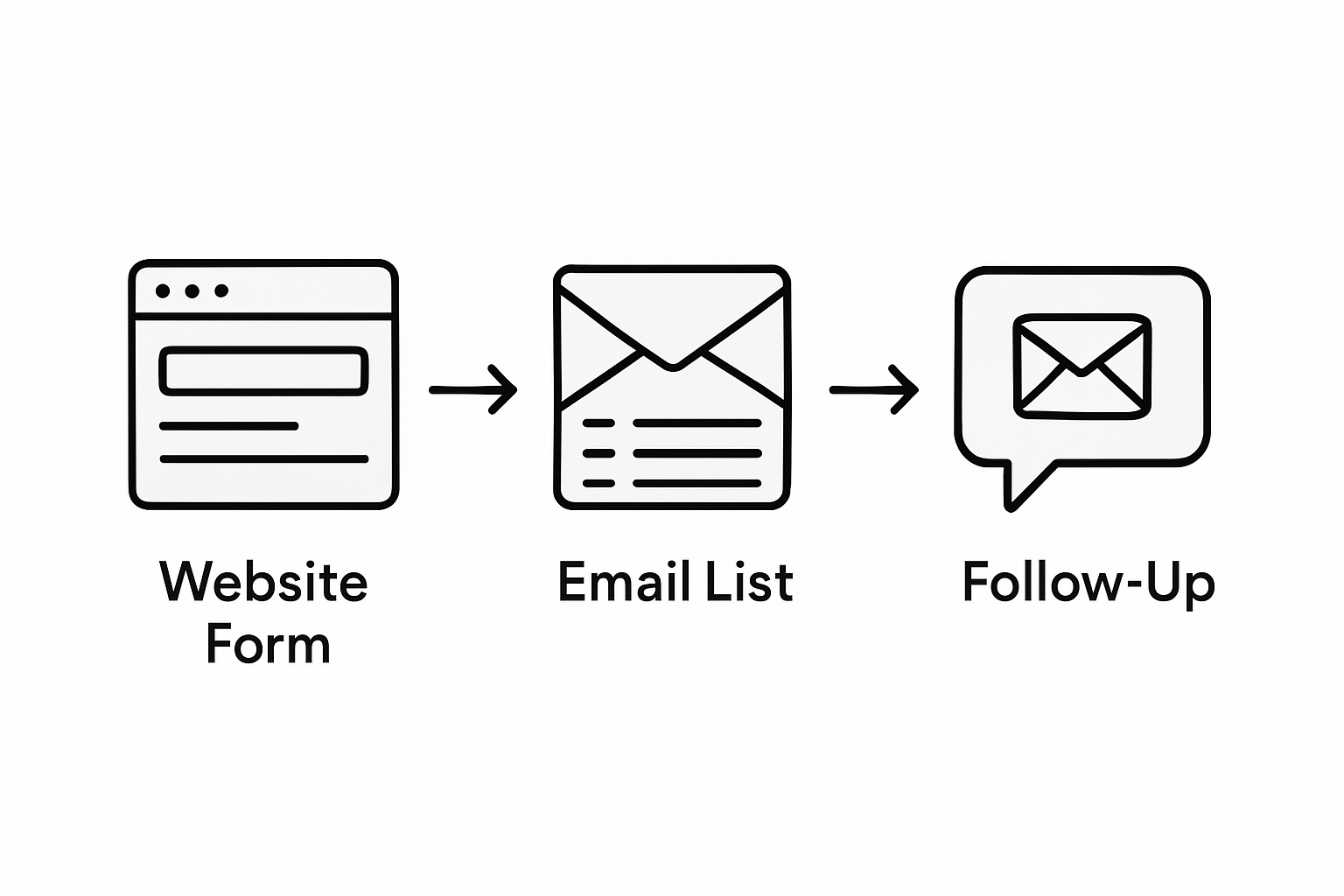
Implement robust lead capture mechanisms across your digital platforms. This means creating compelling opt-in forms on your website, landing pages, and social media profiles that offer genuine value in exchange for contact details. Email marketing campaigns can significantly improve your ability to keep potential customers engaged by sending regular communications that maintain brand awareness and provide relevant information.
Strategic email marketing helps nurture customer loyalty and drive repeat business by segmenting your audience and delivering personalized content. Utilize customer relationship management (CRM) software to track interactions, record important details, and create automated follow-up sequences. This approach allows you to categorize leads based on their interest level, engagement history, and potential conversion likelihood.
Pro tip: Set up automated email sequences that provide value to your leads. These messages should educate, entertain, or solve problems for your potential customers without feeling pushy or sales oriented.
With a comprehensive lead tracking system in place, you are now prepared to transform interested prospects into long term business relationships.
Unlock Your Small Business’s Full Online Potential Today
Struggling to generate quality leads online can leave your business feeling stuck despite your best efforts. This article highlights common challenges like building a high-converting digital presence and launching targeted advertising campaigns. Your goal is clear: turn online interest into real customers with a strategy that works for your unique audience and budget. That’s where expert guidance and tailored solutions become critical.
At ibrand.media, we specialize in empowering small businesses with personalized digital marketing plans. Our services cover everything from SEO optimization and local marketing to social media management and mobile-friendly web design. We understand the importance of targeted online ads and precise lead capture techniques discussed in the article — and we help you implement them efficiently to maximize results quickly and affordably.
Ready to stop guessing and start growing? Discover how our proven strategies can transform your online lead generation efforts. Visit our Uncategorized | Ibrandmedia page to learn more and take the next step to elevate your business. Let’s build a digital presence that truly connects and converts by visiting ibrand.media today.
Frequently Asked Questions
How can I define my ideal target audience for lead generation?
To define your ideal target audience, start by analyzing demographic and psychographic characteristics such as age, location, income level, and interests. Use data from previous customers and market research to create a detailed profile that helps target your marketing messages effectively.
What steps should I take to build a high-converting digital presence?
Begin by ensuring your website is mobile-friendly and optimized for fast loading times. Claim and update your business listings, including accurate contact information and positive customer reviews to enhance your online visibility and credibility.
How can I use social media effectively to generate leads?
Select social media platforms where your potential customers are most active and create engaging content. Maintain a consistent posting schedule, respond promptly to comments, and consider using targeted ads that address your audience’s needs for better engagement.
What are the best practices for launching targeted online advertising campaigns?
Focus on selecting advertising platforms that match your business goals and offer targeted audience options. Create ads that clearly communicate your value proposition and include compelling calls to action to drive clicks and conversions.
How do I capture and track leads for effective follow-up?
Implement lead capture forms on your website and social media profiles, offering value in exchange for contact information. Use a customer relationship management system to track interactions and nurture leads with automated follow-up sequences to maintain engagement over time.
Recommended
- How to Get More Leads: A Step-by-Step Guide for 2025 | Ibrandmedia
- How to Get More Website Leads: 8 Proven Strategies for 2025 | Ibrandmedia
- How to Get More Website Leads: 8 Proven Strategies for 2025 | Ibrandmedia
- Understanding Online Advertising: A 2025 Guide for Small Business | Ibrandmedia
- Google Business Profile: Creste afacerea locala | eTimpulSEO
Recent Comments